• Skip to primary navigation
  • Skip to main content

VRSUN

Hot Virtual Reality News

HOTTEST VR NEWS OF THE DAY

  • Home

Uncategorized

EssilorLuxottica Acquires French XR Startup Lynx, Putting R2 Headset Release in Doubt

July 16, 2026 From roadtovr

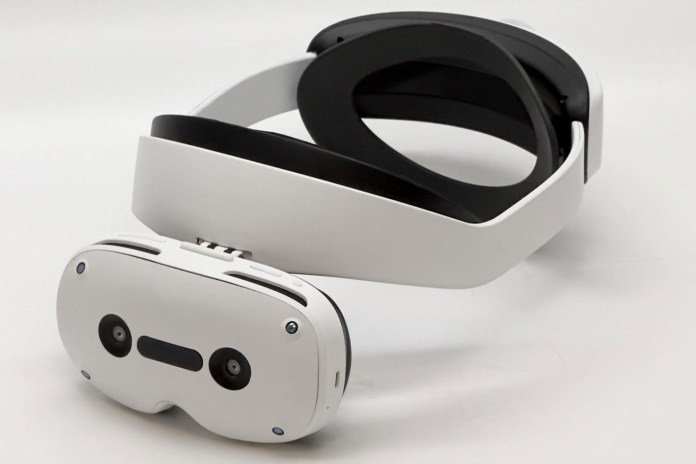
Lynx, the France-based XR hardware startup, has been acquired by global eyewear conglomerate EssilorLuxottica.

In a public email to backers, Lynx founder and CEO Stan Larroque confirmed the acquisition, which was rumored to have taken place two weeks ago.

This includes “[a]ll the IP, assets and most of the team is now transitioning from a startup to this big company,” Larroque says in the email, adding that “it might take a few months for the operations to be smooth again, pending all legal approvals.”

Larroque isn’t making the move to EssilorLuxottica alongside other staff however, concluding his eight years building the startup, as he reveals he’s moving to Paris-based drone company Parrot to take on “a key leadership role” alongside Parrot founder and CEO Henri Seydoux.

Lynx-R2 | Courtesy Lynx

Larroque further confirmed with Road to VR that the deal is “a formal acquisition, meaning they get everything, the name, the domain, the databases, code, 3D files, manufacturing know-how, etc. And most of the team is already employed now at EssilorLuxottica.”

There’s no word on what will actually happen to Lynx-R2 though, the company’s still-unreleased mixed reality standalone announced earlier this year. Given EssilorLuxottica’s close partnership with Meta vis-à-vis Ray-Ban and Oakley Meta smart glasses, the company’s Quest competitor may have little future under its new owner.

While financial details of the acquisition are still under wraps, it seemingly couldn’t have come at a better time. In March, Lynx parent company SL Process entered judicial liquidation proceedings following a ruling by the Economic Activities Court of Nanterre, France, which essentially meant restructuring efforts had failed and survival was no longer viable, as assets and IP are typically sold off to cover debts.

Founded in 2019 after raising an initial $2 million seed round, the Paris-based startup made a splash with a 2021 Kickstarter campaign for its first-gen R1 standalone headset, raising more than $800,000 from backers. In 2022, Lynx garnered a $4 million Series A round led by social VR platform developer Somnium Space.

Still, for a hardware company, a little over $6 million is nothing more than a shoestring budget, something Larroque often lamented about online, calling the fundraising environment in Europe “excruciating.”

Filed Under: Uncategorized

EU Moves to Exempt Smart Glasses from Repairability Rules, Privacy Questions Remain

July 15, 2026 From roadtovr

Although smart phones will soon require user-removable batteries in the EU, the European Commission is moving to exempt wearables, which includes smartwatches, fitness trackers, and smart glasses.

As reported by Politico, a so-called “legislative tweak” has cleared the way for US-based companies like Meta to keep the EU market in sight.

In a statement, a European Commission spokesperson maintained it “has not given in to anyone’s pressure,” as its proposals “follow a broad public consultation with consumer associations, industry stakeholders and the Member States.”

According to the spokesperson, the exemption “is not about regulating one specific product” but “to ensure safer consumer and industrial products in cases where opening a device could create safety risks or where technical limits make consumer access unrealistic.”

That said, the European Parliament and individual governments have a two-month period to object to the tweak before it’s entered into the Official Journal of the EU. Once entered, it’s only a 20 day wait until the bill is in force, putting official legislation in play possibly sometime in late November or early December.

While that’s cleared the way for companies like Meta, Google, Samsung and Apple to release smart glasses in the EU (and likely also AR glasses) materially unchanged, European regulators and lawmakers are increasingly discussing smart glasses’ role in data privacy and surveillance.

Politico notes the European Data Protection Board, which gathers privacy regulators across Europe, has ordered a report into smart glasses, likely to be finalized this summer. From there, EU lawmakers will assess actions.

“Europe should not dilute consumer protections. Smart glasses are already raising important concerns about privacy, security and consumer choice. Exemptions from EU battery removability rules should remain exactly that: genuine exceptions based on clear technical and safety evidence, not industry pressure. Exempting these devices … risks setting a dangerous precedent,” said Cláudio Texeira, head of digital policy at Europe’s largest consumer protection group BEUC.

This follows Meta’s recent class action lawsuit in the US over privacy concerns tied to its Ray-Ban smart glasses, wherein the company is accused of sending private camera footage to a Kenya-based subcontractor for manual review to train its AI models.

Allegations stem from an investigative report from Sweden’s Svenska Dagbladet and Göteborgs-Posten, which is said to have uncovered a subcontractor in Kenya tasked with reviewing and labeling images and videos uploaded from the glasses.

Filed Under: Uncategorized

Lenovo Reportedly Shutters US-based XR Business Unit Amid Shift to AI Wearables

July 13, 2026 From roadtovr

Lenovo has reportedly closed its XR business unit in the US, according to a report by Skarred Ghost.

Citing people familiar with the matter, the report maintains Lenovo has shuttered its business-oriented XR unit in the US. As per the report, most of the affected employees were let go, while a minority have been offered other positions within the company.

It’s uncertain how many have been affected. Lenovo has however confirmed, at least in partial, that the company is taking its XR efforts in a new direction:

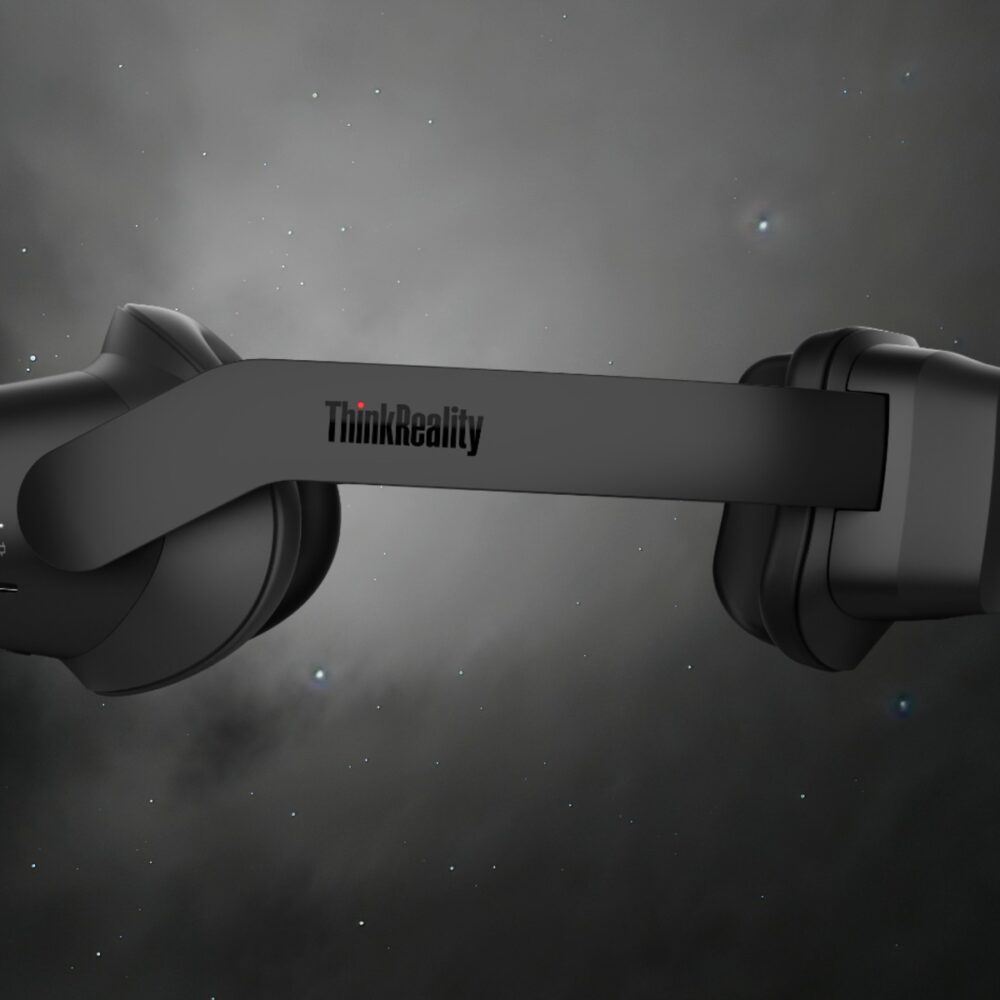
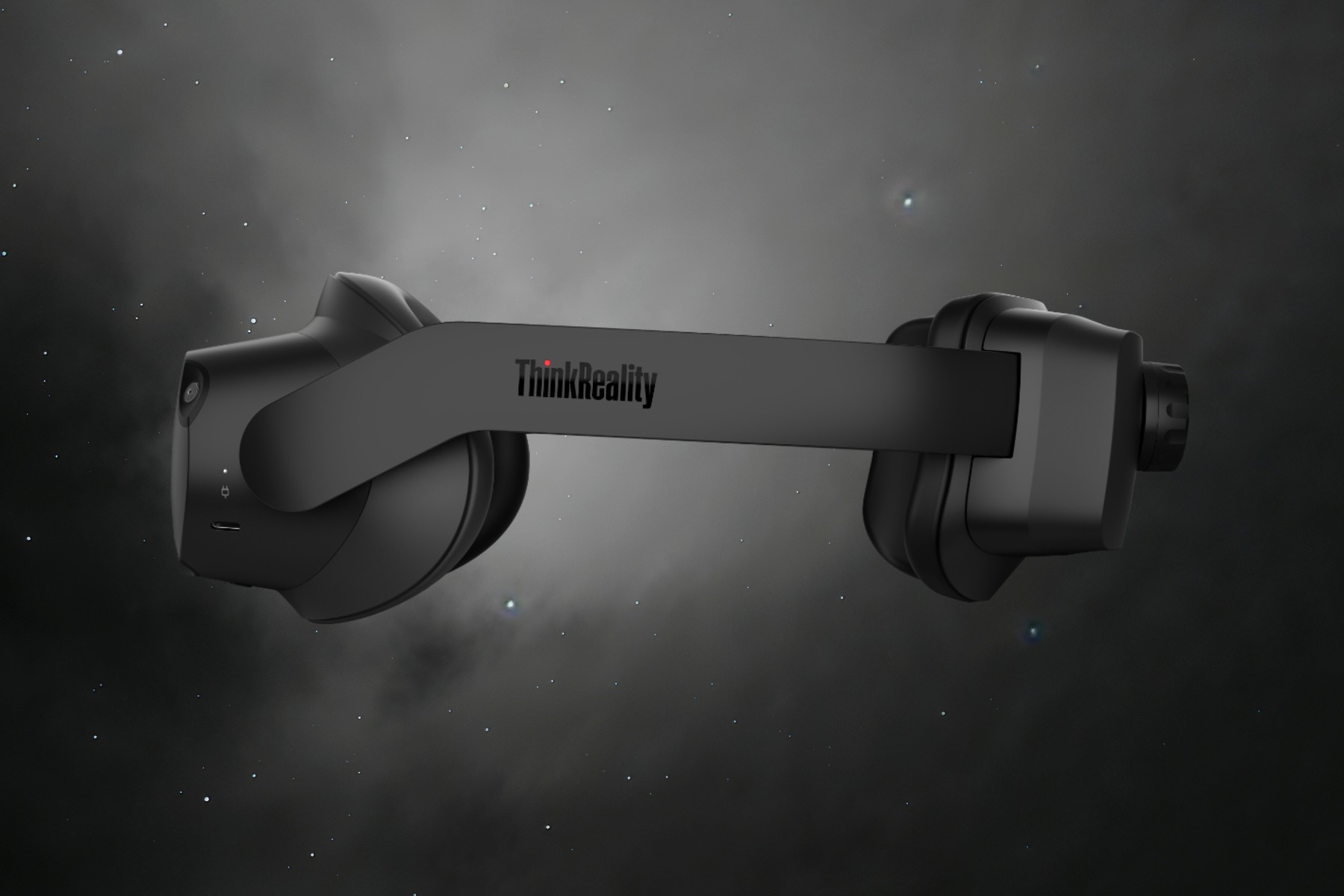
“As the XR market evolves, we see stronger momentum and broader consumer adoption around AI-enabled wearables. As a result, Lenovo is transitioning from a business-first XR strategy under our ThinkReality brand to a more consumer-focused approach within Motorola,” Lenovo says in a statement obtained by Skarred Ghost.

The company says it’s creating a “more centralized organization” which will focus on AI-powered consumer wearables and delivering what it calls a “unified Personal AI experience across multiple devices — from AI PCs and tablets to smartphones and wearables.”

While not a core XR leader, Lenovo has produced a number of VR and AR headsets over the years, starting with the launch of its Windows Mixed Reality headset in 2016, which was released alongside other top OEMs, such as HP, Samsung, Dell, and Acer.

The company also released the Mirage Solo VR standalone in 2018, manufactured the Rift S for Meta (then Oculus) in 2019, a Lenovo Classroom 2 VR headset built in partnership with Pico in 2020, and its ThinkReality A3 AR glasses for enterprise in 2021.

Lenovo’s most recent XR headset, released in 2023, was its ThinkReality VRX mixed reality device, one of the first enterprise-oriented headsets to adopt pancake-style optics. Additionally, the company released its second-gen Lenovo Legion tethered display glasses in 2025.

Filed Under: Uncategorized

Apple Publishes Detailed Technical Specifications for Third-party Vision Pro Motion Controllers

July 10, 2026 From roadtovr

Following Apple’s announcement that VisionOS 27 will support third-party motion controllers for Vision Pro, the company has published a set of technical specifications and requirements for third-parties building such controllers.

Published in the latest version of Apple’s Accessory Design Guidelines for Apple Devices, a new section called Spatial Accessories offers an in-depth technical explanation of exactly how third-party motion controllers for Vision Pro should be built and how they should interface with the headset.

The 74-page section covers everything from what hardware a tracked accessory must include, to exactly what wavelength and radiance each LED must meet, to an example main logic board layout for a motion controller.

In section 20.9.2, the document further explores a complete example of a third-party motion controller for Vision Pro, which Apple used in the developer session about Spatial Accessories from last month’s WWDC.

Vision Pro launched with what seemed like a very intentional lack of support for motion controllers. But after two years on the market, it seems the company got enough feedback to go from eschewing motion controllers completely to taking a surprisingly open approach to allowing third parties to bring their own controllers to the platform.

Filed Under: Uncategorized

Apple Raises Price of Vision Pro by $200 Amid RAM & Storage Shortage

June 25, 2026 From roadtovr

Apple is hiking the price of essentially all of its devices, which includes the already very pricy Vision Pro standalone mixed reality headset.

The News

As reported by 9to5Mac, a host of Apple devices have just gotten significant price increases. The company previously confirmed this would be the case in response to the ongoing RAM and storage crisis, although it wasn’t certain when, or by how much.

Now, the full updated list of Apple device prices is here, which has revealed that Apple has effectively bumped the latest M5 version of Vision Pro to $3,700.

Apple Vision Pro (M5) | courtesy Apple

Released in October 2025 for $3,500, the M5 Vision Pro is essentially a hardware refresh of the original launched in 2024, which included the company’s M2 chipset and the same $3,500 price tag.

Other devices to see similar price hikes include MacBook, iPad, iPad Air, Apple TV, HomePod, and even MacBook Neo, which the company launched for $600 in March, now bringing it $700. You can check out the full updated list over on 9to5Mac.

Speaking to Reuters, Apple reveals it held out for as long as possible before giving into price hikes:

“We have never seen a component price increase this much, this quickly,” Apple said in a statement. “We ​have shielded our customers from these increases so far, but we have now reached a point where we need to begin raising ⁠prices on a number of products, including today’s increases for iPad and Mac.”

My Take

To the company’s credit, Apple isn’t the first to raises prices. In April, Meta announced it was hiking the price of Quest 3S and Quest 3, raising the price of them by $50 and $100 respectively.

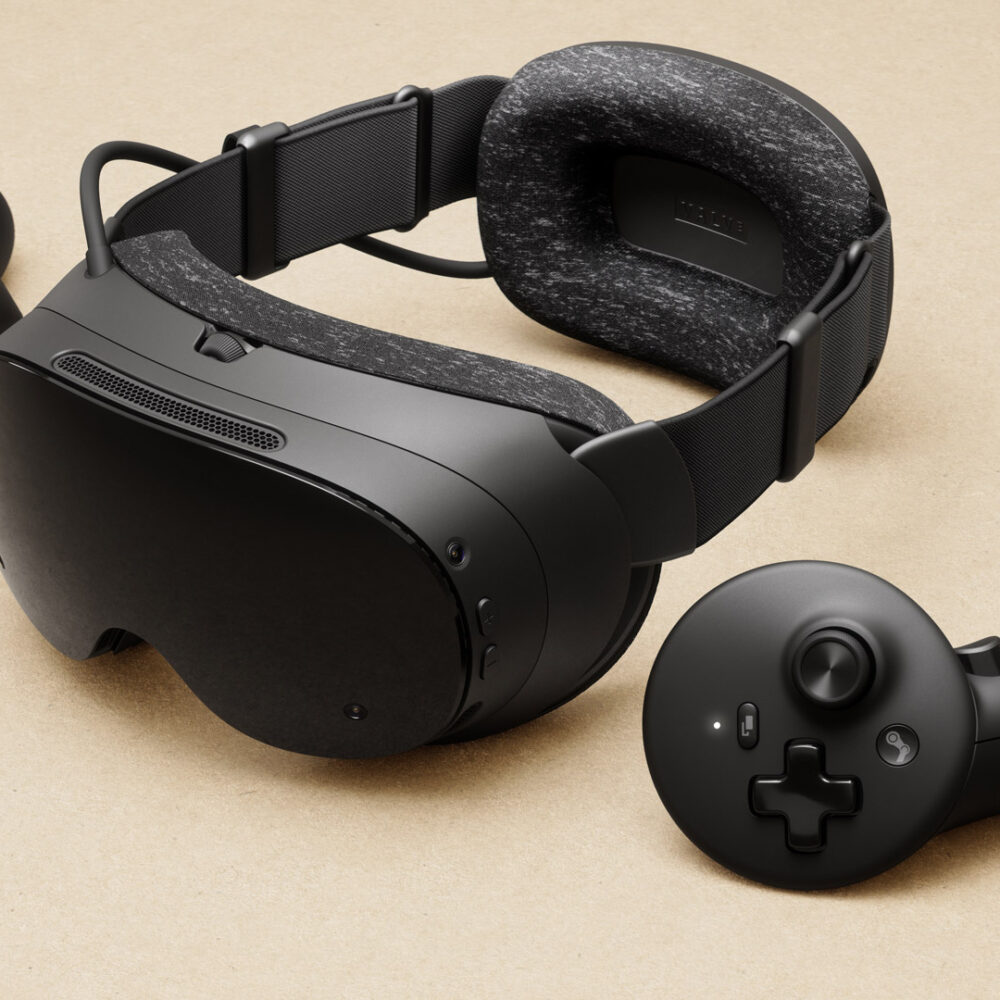
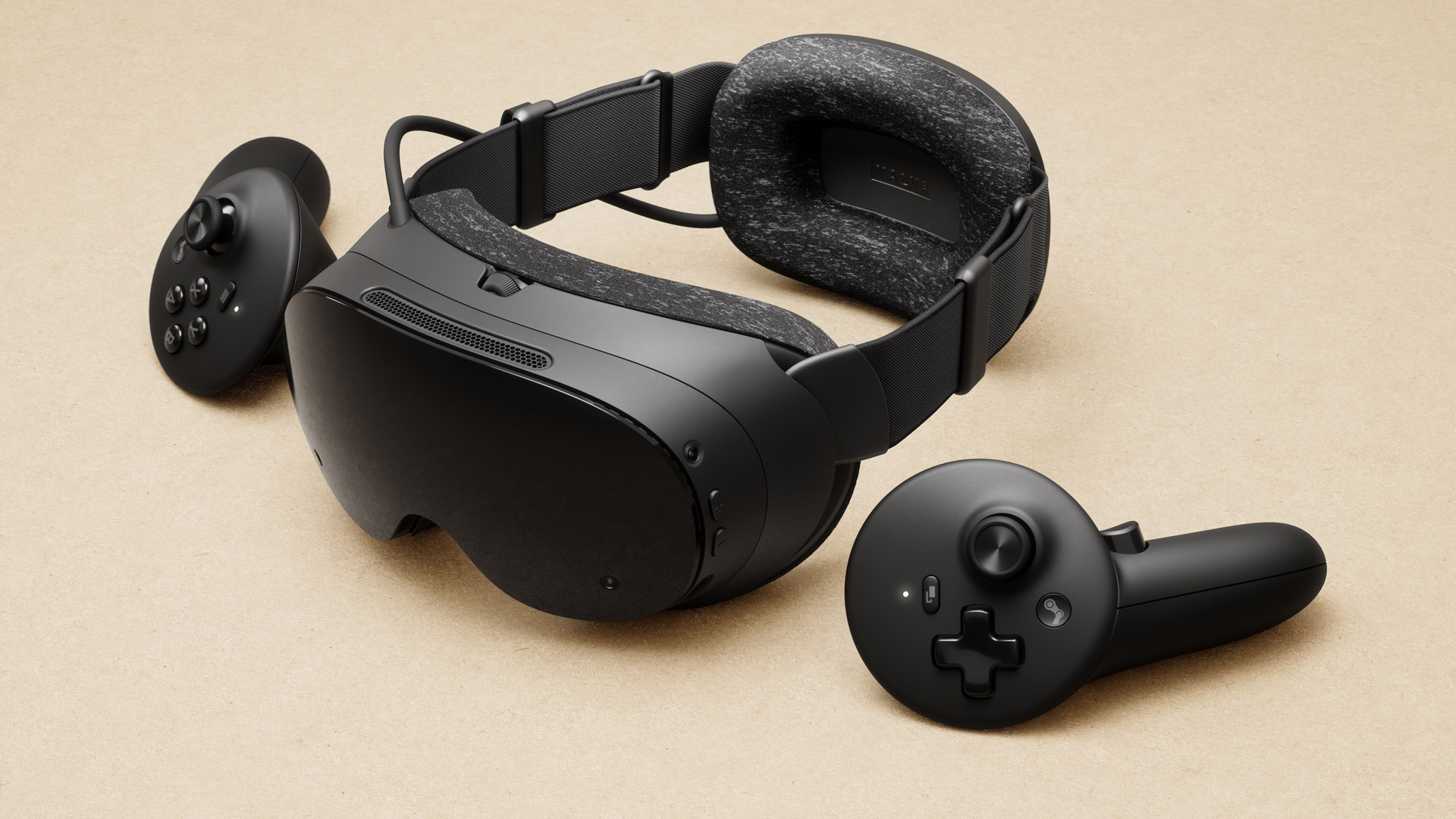
Then, in May, Valve announced it was hiking the price of Steam Deck, which was sandwiched with the news that its was delaying both the Steam Machine and Steam Frame, and rethinking its release and pricing strategy. To boot, Steam Machine is now available for pre-order for the princely sum of $1,050, which doesn’t particularly bode well for Steam Frame, its first standalone VR headset, which still doesn’t have a price or release date.

And although Apple isn’t the first to raises prices due to the current component crisis, it certainly won’t be the last. Any other holdouts in the market are likely soon to follow, if only because mighty Apple has justified it.

Apple isn’t actually the biggest drivers of these cost increases though, which are primarily due to the surging demand for AI data centers.

As it is, South Korea’s Samsung and SK Hynix, and US company Micron Technology produce 93 percent of the world’s RAM. And although Apple has historically leveraged its power to outbid other companies to secure components at cheaper prices, it’s the big players in AI right now—Microsoft, OpenAI, Google, Amazon, Meta, and Anthropic—that are hoovering up the lion’s share of the RAM and NAND.

I’m actively resisting the urge to call Apple a victim in all of this, because there is no greater victim than the end consumer, although it is odd to see the world’s third most-valuable company essentially shrug as its market cohorts blow up the AI bubble yet further—all while sporting a little over 4 trillion dollar market cap in the process.

Filed Under: Uncategorized

Meta Announces Cheaper Smart Glasses without Ray-Ban or Oakley Branding, Starting at $300

June 23, 2026 From roadtovr

Meta today announced it’s releasing Meta Glasses, the company’s first slate of smart glasses that don’t feature any EssilorLuxottica styles or branding.

The News

While Meta is still working with long-time eyewear partner EssilorLuxottica, the company is releasing three new Meta Glasses styles that aren’t packing any Ray-Ban or Oakley branding:

  • Meta Adventurer — A clean rectangle shape for a timeless, versatile look. Available in Standard and Large.
  • Meta Fury — A bold frame that makes a bold statement.
  • Meta Glasses by Kylie — A unique slim oval frame inspired by Kylie Jenner’s personal style.
Meta Glasses Kyle [left], Adventurer [middle], Fury [right] | Courtesy Meta

Meta Glasses appear to be packing the same specs as its second-gen glasses (Ray-Ban, Oakley), including 12MP camera with 3K resolution, over eight hours of battery life, open-ear speakers, six microphones, and support for multiple lens types, including prescription, shaded, polarized, and Transition lenses.

The new line features a range of shapes, colors, and materials, including Classic Black, Classic Tortoise, Racing Green, Linen, Merlot, Mahogany, and Sandstone, with sun, Transitions, polarized, and clear lens options developed by EssilorLuxottica—making for a total of 26 styles.

Notably, both Adventurer and Fury start at $300, while the Kylie Jenner frames start at $400. For reference, Ray-Ban Meta (Second Gen) start at $380, and Oakley Meta at $400. You can find them starting today at Meta.com, Lenscrafters, Sunglass Hut, Best Buy, Amazon, and additional select retailers.

My Take

Meta and EssilorLuxottica have produced multiple smart glasses generations over the years, ranging from their inaugural Facebook Stories released in 2021 to their most recent pair, Meta Ray-Ban Display glasses, which include a single full-color display.

And it seems like a match made in heaven: EssilorLuxottica holds the IP of some of the most iconic and cool frames, and Meta, well—they can make great XR hardware. That said, including today’s Meta Glasses news, it feels like both companies are increasingly diverging from that tight partnership, which is planned to last until 2030.

Just last week EssilorLuxottica announced it was striking its own optics deal with Applied Materials, which is an important piece of forward planning. The Franco-Italian eyewear giant appears to paving the way for its own stack of AR and smart glasses optics separate from Meta.

Whatever the case, Meta appears to be cutting the fat, as it focuses on getting its smart glasses on every head, which it really can’t do in the near-term as the storage and RAM crisis has essentially inflated the price of everything in tech.

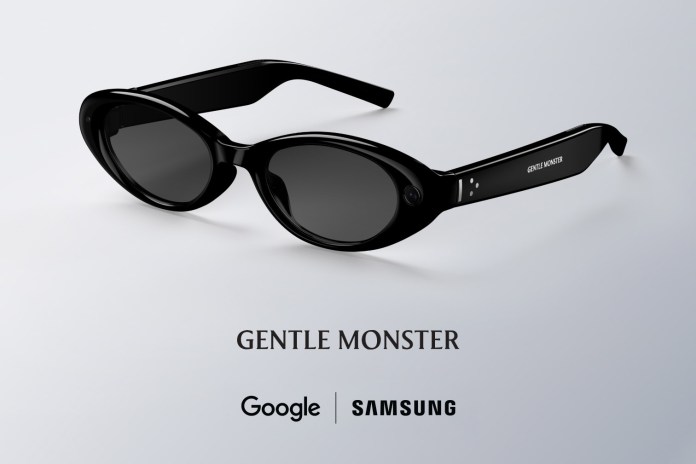
It will be interesting to see whether consumers gravitate toward the more generic Meta Glasses over Ray-Ban/Oakley. One thing is for certain though: Google is coming for Meta with the release of a fleet of Android XR equivalents, coming this year from Warby Parker, Gentle Monster, Gucci parent company Kering, and Samsung.

Filed Under: Uncategorized

Siri on Vision Pro is Getting Eye-tracked Activation and Visual Awareness Alongside New AI Features

June 9, 2026 From roadtovr

Apple spent a major portion of its WWDC 2026 keynote this week talking about new AI features that are part of an enhanced version of Siri. While most of the features will be accessible across devices, Siri on visionOS 27 has some unique touches that take advantage of Vision Pro.

The News

An overhauled version of Siri—which Apple is now calling “Siri AI”—is headed to Apple’s version 27 operating systems. The company detailed a wide range of capabilities, both new and improved, which make Siri AI more useful and more capable than previous versions.

“Siri AI is an entirely new version of Siri deeply integrated into iPhone, iPad, Mac, Apple Watch, and Apple Vision Pro,” the company announced this week. “It can draw on personal context understanding to search across messages, emails, photos, and more, and get things done across apps with even more systemwide app actions. Additionally, Siri AI can answer questions related to the content on a user’s screen or go out to the web to get up-to-date information using broad world knowledge and generate a helpful answer. A dedicated Siri app allows users to revisit a past conversation or kick off a new one—all in one place—and uses iCloud to privately sync conversational history across a user’s products.”

Beyond the new capabilities that will work across most of Apple’s modern devices, Siri AI is getting some unique attention on Vision Pro. In VisionOS 27, the Siri ‘orb’ becomes a placeable widget that can sit in the room with you. And when you want to talk to it, simply look at the orb and start talking. It’s a seamless way to activate Siri using Vision Pro’s eye-tracking, without needing to tap anything or say a wake word.

Courtesy Apple

Siri is also getting ‘see what you see’ capabilities on Vision Pro. If the user asks the system to look at something, Siri has visual context of the user’s view of both the digital and real world. So you can ask about something you see on a webpage floating in front of you just as easily as you can ask about a piece of artwork on your wall.

Courtesy Apple

This is a much more natural way to use visual intelligence capabilities that have been part of earlier versions of Apple Intelligence but were not exposed in particularly obvious ways.

The new Siri app, which functions more like a traditional AI chatbot, is getting a native visionOS version.

Courtesy Apple

Apple says Siri AI is compatible with both the original Vision Pro (M2) and latest Vision Pro (M5). It’s available as a developer preview within visionOS 27 which is available now. Apple plans to roll out Siri AI features as a “beta” to the public later this year.

My Take

The inclusion of high-accuracy eye-tracking on Vision Pro continues to pay dividends to Apple. Turning Siri on Vision Pro into a persistent widget that’s activated with eye-tracking is the kind of subtle but clever idea that could very well set the standard for interacting with voice assistants on immersive devices going forward. Using eye-tracking to add context about the user’s question is also a smart way to leverage the feature.

Siri’s newfound ability to see the user’s digital and real world brings it much closer in line with Gemini’s visual capabilities on Android XR, which I’ve previously pointed to as a standout advantage over the AI capabilities of visionOS and Meta’s Horizon OS.

It’s unclear at this time if Siri on Vision Pro will be fed a still image of the world around the user at the time of the query, or if it will get a live view of the world around the user (as we see with Gemini on Android XR). The difference between a static or live view could lead to a significant gap in the usefulness of Siri AI’s ‘vision’ on Vision Pro compared to Gemini. On Android XR, Gemini can continuously see what’s around the user, enabling ongoing conversations with Gemini that evolve as new things happen. We’ll have to wait to see if Siri on Vision Pro can do the same.

We also don’t know if Siri will be able to ‘see’ during every query or if only specific queries will cause the headset to consider the world around the user. For Apple’s part, the company says it continues to emphasize privacy in its AI features, and says that any data that leaves the headset is processed in an encrypted way that’s not accessible to Apple or third parties.

Filed Under: Uncategorized

Meta is Spinning out ‘Supernatural’ a Mere 3 Years After $400M Acquisition

June 4, 2026 From roadtovr

Supernatural won’t be in ‘maintenance mode’ for long, because Meta announced it’s effectively spun out the VR fitness app into an independent company, Supernatural Health.

The founders and coaches behind Supernatural are parting ways with Meta. Soon, users can look forward to more fresh content, which has notably been missing from the subscription-based VR fitness app since Meta announced in January that it would no longer be pushing content updates as a part of a wider pullback from VR gaming.

And it’s going to be clean break, as the new studio says in a community post that Supernatural is set to be independent from Meta, and will be a new, separate app in Quest’s Horizon Store.

While the current version of Supernatural will be winding down on December 3rd, which includes all associated subscriptions, the studio expects the new app to launch later this fall, noting it plans to build “major parts of the technology from the ground up as a much smaller company.”

That also means subscription prices will change from its current $10/month, or $100/year rate:

“A while back, the subscription price was lowered to make Supernatural more accessible, and we still believe in that goal. To keep building independently, and continue delivering the experience you expect, we need to return to the original $20/month and we haven’t made that decision lightly.”

The studio says it’s offering a ‘Founding Member’ rate, which will cost $180 for the first year. After that, the price jumps to $20/month, or $200/year. That said, the upcoming version of Supernatural will include all original coaches “back on day one,” as well as new workouts and future features.

“The early days won’t be perfect, but our small team is committed to building the Supernatural you know and love and taking it to the next level,” the studio says. “We are so grateful for everything you’re capable of, in the app and outside of it. Thank you for showing up for Supernatural, and for each other.”

This follows a lengthy battle to acquire Supernatural, which seems so distant now in retrospect. In late 2021, Meta announced it was acquiring Within, the studio behind Supernatural, for a whopping $400 million.

It wasn’t a smooth transition though, as the deal quickly drew the ire of the US Federal Trade Commission, which claimed Meta was unfairly monopolizing the VR fitness space. After more than a year of costly antitrust battles, the FTC eventually dropped the suit in early 2023, noting that it would seek no further appeal.

Filed Under: Uncategorized

  • Home